Your facility requires consistent cleaning schedules tailored to specific risks, daily throughput, allergen management, and regulatory visits, with auditable records confirming HACCP requirements, compliance audits, and health department standards. The information following give details about essential cleaning protocols.
Essential Summary
- Food safety cleaning technicians from Brampton service restaurants, grocery departments, commissaries, warehouses, bakeries, schools, mobile vendors, and allergen-sensitive operations.
- Compartmentalized approaches clean frequently contacted areas, food-contact equipment, kitchens, floors, drains, restrooms, and storage areas for preventing cross-contamination.
- Documentation of finishing through tests, assessments, and corrective-action records ensures qualified providers have checked approved sanitizer dilution, compatibility, and exposure duration.
- Daily, periodic, and annual duties allocated by location constitute hygiene schedules built on danger, production volume, format changes, accidents, and guidelines.
- Opt for contractors with HACCP, public-health, expertise, safety training, training, insurance, credentials, color-coded tools, and audit-ready sanitation paperwork.
Food Safety Cleaning Requirements for Brampton Establishments
Brampton venues that deal with, maintain, prepare, package, or provide food require hygiene cleaning. Implement it if your facility is covered by public health inspection, food premises regulations, or internal HACCP-based controls. The rule covers dining establishments, employee cafes, food distributors, market sections, meat shops, fish counters, local shops, and commercial kitchens.
Documented food safety measures is necessary in distribution centers, manufacturing facilities, cold storage areas, bakery retailers, educational meal programs, banquet venues, and meal delivery services. Portable temporary ventures apply similarly, such as food trucks, event sellers, and temporary stalls. Your establishment needs established hygiene documentation when your employees work with ingredients, section ready-to-serve foods, heat finished items, or maintain allergen storage. In Brampton, cleanliness is not voluntary; it forms part of legal, operational, and consumer protection compliance.
Which Areas Do Brampton Cleaning Experts Cover?
Your operation needs cleaning professionals who sanitize all high-touch areas, kitchens, all floor types, and restrooms for food safety and health code adherence. These zones receive attention due to their elevated cross-contamination potential, hazardous walking conditions, and breaches of sanitation codes.
When you understand what they clean, you can ensure your operation's cleaning procedures satisfy operational and regulatory requirements.
Addressing High-Touch Surface Disinfection
arrange cleaning intervals determined by foot traffic, environmental hazards, and business activities.
swapping cloths regularly, following sequential processes, and separating sanitization equipment according to location. Such practices ensure your disinfection protocol verifiable, well-documented, and inspection-ready at all times.
Cooking Zones, Walking Surfaces, and Restroom Environments
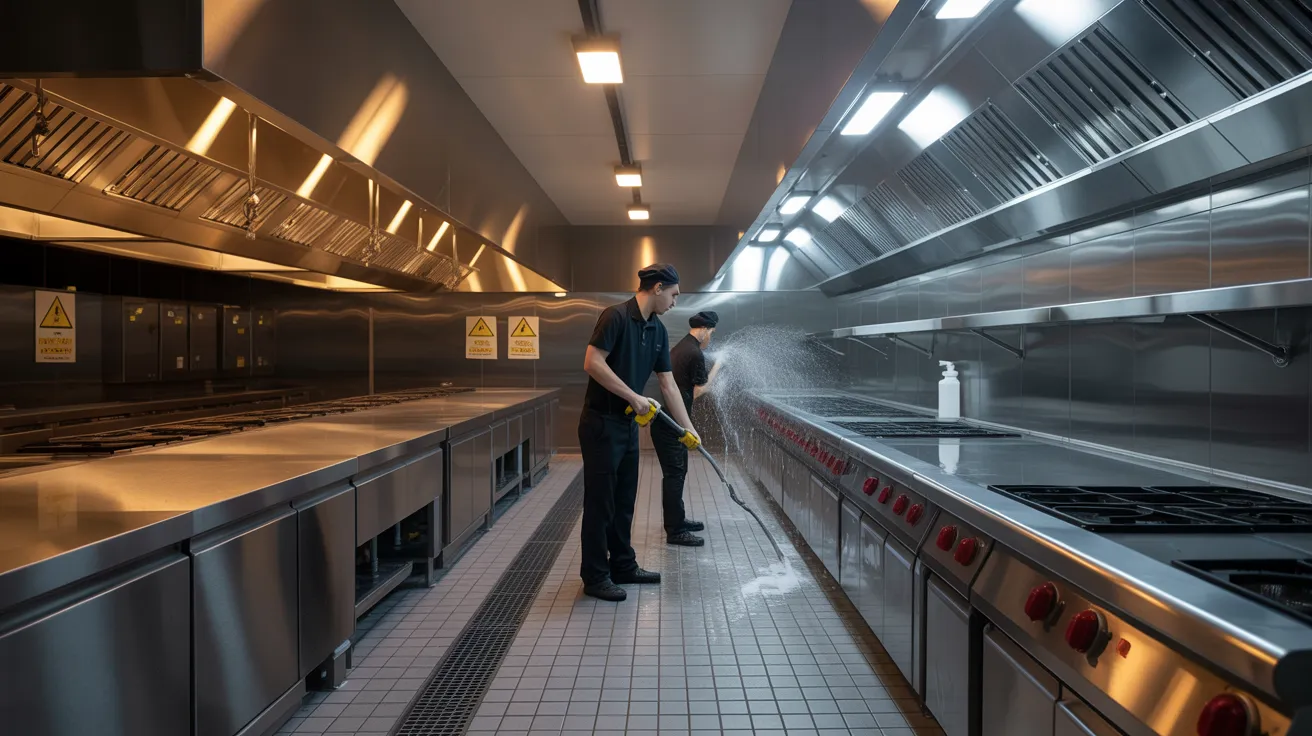
Professional cleaners in Brampton prioritize kitchens, floors, and restrooms given that each location involves distinct food safety, falling hazards, and health code requirements. In industrial kitchens, you need grease removal from cooking stations, appliance surfaces, drain systems, preparation areas, and backsplashes to reduce contamination and pest pressure.
Floor care that is documented should also be anticipated. Technicians clean and remove buildup from tile grout, ceramic surfaces, and vinyl floors, then apply appropriate drying controls so you can reduce slip incidents and maintain code-compliant conditions. They also address entry points where dampness and dirt enter the building.
For restroom sanitation, cleaners sanitize high-touch surfaces, bathroom fixtures, stall dividers, supply dispensers, and trash receptacles, then replenish amenities and manage odor. They also maintain restaurant cleaning supply rooms where product storage, sink cleanliness, and drain systems impact daily sanitation standards and worker protection.
Why Food Safety Cleaning Matters in Brampton
Brampton facilities require food-safe cleaning standards to meet compliance obligations and pass inspections. You also reduce bacterial spread through proper cleaning of food-preparation surfaces, appliances, and frequently-touched items. Most importantly, you safeguard public health by lowering the risk of foodborne illness in your facility.
Health Code Compliance
Since Brampton food operations must follow stringent health requirements, your sanitation practices directly determines your competence to adhere to health codes, safeguard diners, and eliminate regulatory penalties. You must maintain clean food preparation areas, documented cleaning schedules, proper chemical use, and traceable training practices that meet municipal and provincial inspection expectations.
Retaining well-maintained cleaning files establishes due diligence for official assessments and demonstrates that your operations are standardized, replicable, and monitored.
Cross-Contamination Prevention
Following health code standards depends on your skill in stopping cross-contamination in daily food handling and cleaning. You must separate raw ingredients from ready-to-eat foods, disinfect work areas after use, and store chemicals away from food-contact items. Clear procedures reduce transfer risks and promote steady regulatory adherence.
Implementing allergen segregation helps keep priority allergens from contacting communal work zones, bins, or devices. Deploy dedicated cutting boards, color-coded tools, and clear tool marking so workers don't combine products while preparing or distributing. Enforce hand hygiene following fresh proteins, aquatic items, egg products, or allergen materials. Replace wiping cloths expert tips regularly, and validate disinfectant levels using test strips. When you train staff to follow these controls every shift, you establish a more hygienic, safer workplace that satisfies Brampton's food safety needs daily.
Public Health Defense
If proper sanitation deteriorates, you don't merely risk a failed inspection—you boost the probability of foodborne illness harming customers, staff, and the broader Brampton area. You also weaken your role in safeguarding community wellness, especially in busy food facilities where contamination can spread quickly through surfaces, equipment, and touchpoints.
You must implement cleaning procedures that eliminate contaminants, effectively sanitize, and ensure effectiveness. This involves maintaining exposure times, deploying approved disinfectants, recording schedules, and coaching staff to fulfill compliance standards. These actions support pathogen control by suppressing pathogens before contaminating food or hands. In Brampton, effective cleaning shields vulnerable populations, minimizes disease spread, and proves your diligence. When you adhere to proper protocols, you go beyond regulations—you meaningfully lower danger and advance safer food handling across the region.
In What Ways Does Cleaning Help Achieve Food Safety Compliance?
Following thorough cleaning protocols improves food safety compliance by lowering contamination exposure, limiting pathogen development, and keeping your facility aligned with sanitation requirements under HACCP-based programs and public health regulations. You validate that product-contact areas appear visibly clean and microbiologically controlled, supporting documented preventive controls and inspection readiness.
Effective cleaning also enhances allergen mitigation by clearing residues that can cause undeclared allergen exposure. by extracting residues that can lead to undeclared allergen exposure.
Finding When to Plan Commercial Cleaning
surfaces can accumulate contamination
facility shutdowns, weather-related soil accumulation, or periods of high pest concerns. If your facility holds promotional events, catering functions, or public functions, arrange cleaning right before and following for successful event turnaround
What Should You Look For in Brampton Cleaning Experts?
Screen providers initially by their food-safe sanitation requirements—not budget alone. You need to verify that every company meets CFIA, public health, and HACCP standards for your operation. Demand proof of insurance, WHMIS compliance, training records, and management systems. Evaluate technician understanding of cross-contamination risks, chemical safety, and documented sanitation practices.
You should also assess operational reliability and responsibility. Request references from Brampton food businesses, then examine turnaround periods, corrective actions, and communication standards. Confirm the company supports supplier audits and can present audit-ready records when regulators or third parties request evidence. Check whether equipment is maintained is performed, color-coded implements are used appropriately, and site-specific hazards are recognized. A qualified provider protects compliance, product integrity, and your brand reputation.
What's included in a sanitation cleaning strategy?
Put together a written program that clarifies every sanitation task, standard, and responsibility ahead of production commencement. You should list cleaning intervals, permitted substances, dilution percentages, exposure times, instruments, and inspection methods for each zone, surface, and piece of equipment. Add pre-operational inspections, corrective actions, and employee training requirements.
Your framework should also include cross-contamination controls, waste handling, pest-prevention measures, and documented schedules for bathrooms, drainage, ground surfaces, and food-handling zones. Clarify how you'll distinguish raw from ready-to-eat operations, support ingredient tracking, and maintain accurate allergen labeling through validated cleaning between product changes. You should define accountability, maintain signed records, and check results against regulatory standards, HACCP controls, and customer requirements. When gaps appear, revise procedures immediately and re-educate staff.
Commonly Asked Inquiries
Are cleaning services offered for nighttime operations in Brampton facilities?
Yes, you can schedule cleaning services to support nighttime operations in Brampton facilities. You'll coordinate overnight sanitation around operational schedules, security measures, and staffing requirements. Providers typically map nightshift logistics to minimize interruption, maintain compliance, and record finished work. You should confirm response times, oversight, lockout procedures, and waste handling before service begins.
Can sanitation professionals handle emergency spill response?
Yes, you can expect Brampton sanitation professionals who offer hazard containment services. They manage hazardous materials, evaluate dangers, contain contamination, and start rapid decontamination to minimize risk and prevent business interruption. You should verify arrival timeframes, training certifications, safety procedures, and disposal procedures. If your facility must meet regulatory requirements, select a service that documents incidents, follows compliant standards, and enables compliance verification.
Can plant-based disinfectants be utilized safely on surfaces contacting food?
In essence, eco-friendly disinfectants remain safe for food-contact surfaces provided you select products labeled food safe that comply with compliance requirements. Check contact times, concentration levels, and rinse requirements before use. Plant-derived products lower chemical hazards, although you require evidence of effectiveness against target microorganisms. For maintaining residue-free areas, implement manufacturer instructions exactly and validate the disinfectant meets food sanitation requirements.
Do sanitation programs allow for seasonal variations?
Certainly, sanitation programs adapt to seasonal variations successfully. Modify frequencies, labor allocation, chemicals, and testing procedures to match with production rhythms while preserving regulatory requirements. Lower operational delays by timing disinfection around changeovers, maximum output, and usage patterns. Concurrently update SSOPs, training, and environmental testing to reflect periodic risks, emerging allergens, or higher contamination levels. Periodic assessments keep the schedule efficient.
Do professional cleaners instruct your team in proper hygiene techniques?
Absolutely, commercial cleaners frequently provide staff training on sanitation best practices. Your staff gets instruction on correct chemical handling, dwell times, cross-contamination prevention, machine takedown, and documentation. They generally match guidance with HACCP, GMP, and CFIA or regional health authority requirements. Many also perform sanitation audits to verify compliance, identify gaps, and strengthen corrective measures. This enables you to sustain consistent procedures, pass inspections, and lower contamination dangers routinely.
Conclusion
When you work with Brampton food safety and commercial cleaning specialists, you don't just tidy up—you keep your operation inspection-ready and your standards compliant. From processing areas to kitchen spaces, every clean surface and well-kept corner helps reduce unwelcome guests and prevent costly setbacks. By scheduling service at the right intervals and following a clear cleaning plan, you safeguard employees, patrons, and your reputation. In a tightly regulated environment, sanitary conditions aren't optional—they're fundamental to proper operations.